Performance Standards and Environmental Compliance
PETG is recognized for its balance of high-impact strength and ease of processing, meeting rigorous safety and environmental standards. Information for all Plastic Classifications, Certificates and Standards is available for download in the following tab. Also see our informative page on plastic standards and certifications here.
| Chemical Resistance | Good (Resistant to acids, alkalis, and oils; sensitive to some solvents) |
| Impact Strength | High Resilience (Superior to Acrylic; bridges the gap to Polycarbonate) |
| Sustainability Certifications | 100% Recyclable Polymer (Fulfills UK Net Zero Goals) |
| Fire Safety | Classified B-s1, d0 (Euroclass) and UL 94 V-2 |
Engineering and Material Selection Guide (PETG Fabrication)
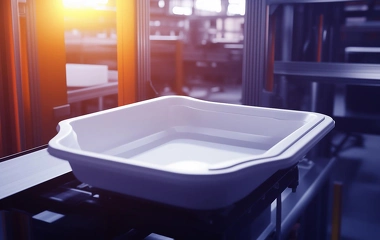
Choosing PETG is often a strategic decision based on fabrication efficiency. Thermoforming: PETG is the industry leader for vacuum forming because it does not absorb moisture, eliminating the need for pre-drying ovens and reducing production cycles. Clarity and Toughness: While it offers glass-like transparency, it is far more durable than standard PET or Acrylic, making it suitable for industrial guards and high-use retail displays. Thermal Note: PETG has a lower service temperature than Polycarbonate (approx. 65-70°C), so it is best suited for environments without extreme heat exposure. See the full product range below for UV-stable and specialized variants.
| Application Focus | Optimized for Medical Packaging, Point-of-Sale displays, machine guards, and thermoformed covers. |
| Thermal Limits | Continuous exposure up to 65°C; forming temperature between 120°C - 160°C. |
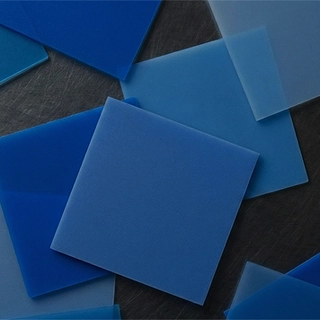
| Surface Finish | High-gloss Clear, Opal/Frosted (for light diffusion), and UV-resistant options. |
| Environmental Stability | Excellent indoor durability; UV-stabilized grades required for long-term outdoor use. |
| Thickness Range | Available from 0.5mm to 12.0mm for versatile forming and glazing needs. |