Performance Standards and Environmental Compliance
PET (Polyethylene Terephthalate) is recognized for its extraordinary technical compliance and safety certifications. Information for all Plastic Classifications, Certificates and Standards is available for download in the following tab. Also see our informative page on plastic standards and certifications here.
| Chemical Resistance | Outstanding (Resistant to acids and oils) |
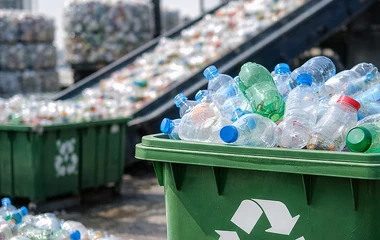
| Environmental Safety | 100% Recyclable Polymer (Fulfills UK Net Zero Goals) |
| Sustainability Certifications | Listed in UK/Benelux Sustainable Build Databases |
| Sanitary Safety | FDA & EU Certified for [Food Contact] (APET Grade) |
Engineering and Material Selection Guide (PET vs. APET)
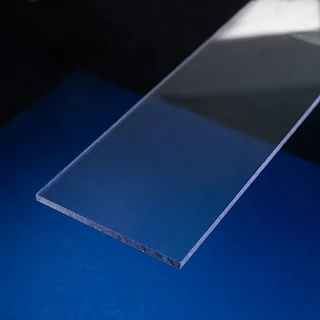
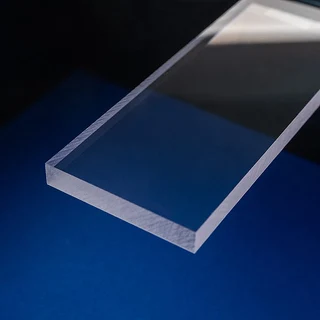
While PET is the general polymer name, APET (Amorphous PET) is the industry standard for transparent sheets. The Max Service Temp (ISO 75 - HDT) is the precise threshold where the material begins to lose structural integrity. Ambient Applications: For standard room-temperature projects, APET offers the best cost-to-performance ratio for clear packaging and technical glazing. High-Heat Warning: Because of its amorphous nature, APET will soften significantly above 70 degrees Celsius, which may lead to warping or loss of dimensional stability under load. For higher thermal demands, consider Polycarbonate (PC).
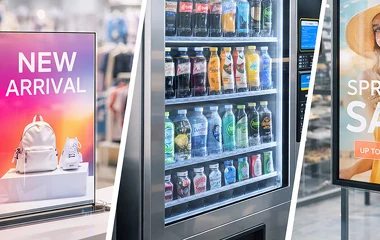
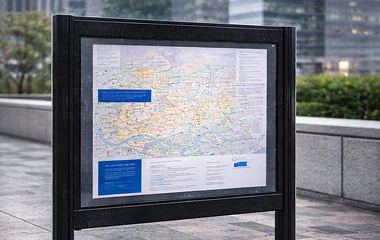
| Application Focus | Optimized for [Technical Glazing], signs, signals, vending machines, and urban furniture. |
| Thermal Limits | Not for continuous exposure above 60°C to ensure dimensional stability. |
| Surface Finish | Plain (Clear) for transparency or Arraglass (Anti-reflective) to minimize glare. |
| Environmental Stability | Specify UV-stabilized versions for outdoor use to prevent yellowing. |
| Thickness Range | Available from 0.5mm to 6.0mm for flexible shields and rigid glazing panels. |