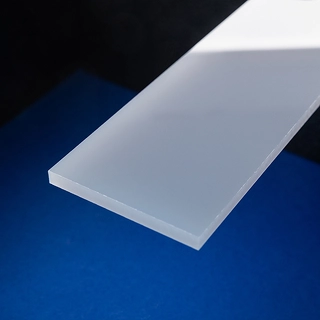
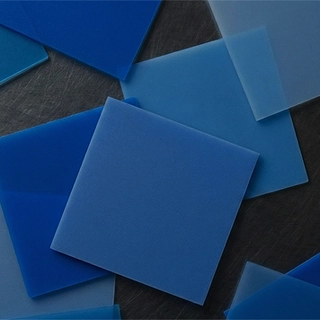
PP (Polypropylene)

Industrial Polypropylene (PP): Chemical Resilience & Engineering Versatility

Polypropylene (PP) is an essential engineering thermoplastic for corrosive environments and high-fatigue applications. Known for its low density and chemical inertness, SRT Plastics provides precision-cut PP in two specialized grades to ensure long-term industrial reliability.

Homopolymer (PPH) – High Rigidity & Heat Resistance

PPH is the stiffest grade, offering superior thermal stability and strength. It is the industry standard for structural chemical tanks, laboratory furniture, and high-heat industrial ducting where dimensional integrity under stress is critical.

Copolymer (PPC) – Impact Strength & Low-Temp Resilience

PPC is engineered with ethylene for added ductility and toughness. It is the superior choice for high-vibration environments or sub-zero temperatures, ensuring components remain durable and shatter-proof in cold-storage or high-impact industrial zones.

Polypropylene (PP) Material Highlights

Polypropylene is selected for specific physical properties that outperform standard plastics in laboratory, automotive, and chemical manufacturing sectors.
  • Superior Chemical Inertness

    Superior Chemical Inertness

    • Inert Surface: Highly resistant to a wide range of corrosive chemicals, including strong acids, alkalis, and many organic solvents.
    • Corrosion Shield: An ideal material for custom plastic products such as chemical tanks, laboratory equipment, and industrial pipe fittings.
    • Zero Moisture Absorption: Inherently hydrophobic properties ensure dimensional stability and prevent degradation in liquid-heavy environments.


  • Impact Strength & Living Hinge Technology

    Impact Strength & Living Hinge Technology

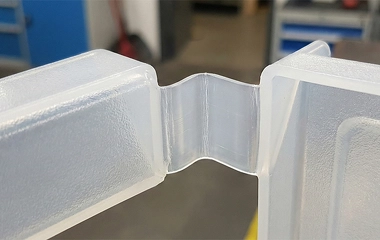
    • Fatigue Resistance: Exceptional resistance to "stress-cracking" and mechanical fatigue, making it the industry standard for integral "living" hinges.
    • Structural Integrity: Maintains high tensile strength and rigidity, particularly in Homopolymer (PPH) grades used in rigid engineering applications.
    • Low Density Efficiency: One of the lightest engineering thermoplastics available, providing a high strength-to-weight ratio for industrial components.
  • FDA Compliant & Hygienic

    FDA Compliant & Hygienic

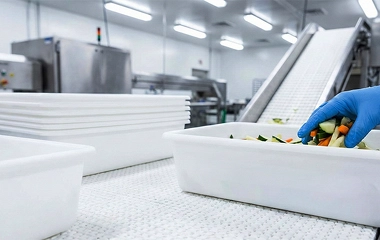
    • Hygienic Excellence: Naturally moisture-repellent and resistant to bacterial growth, making it a staple for hygienic environments.
    • Diverse Applications: Widely used for food-grade cutting boards, medical vials, and laboratory surfaces.
    • Sanitization: Does not absorb odors or liquids, ensuring the material is easy to sanitize and maintain.
    • Selection Tip: If your project requires high transparency for food-contact zones, you may also want to browse our PETG range.

Polypropylene (PP) Material Selection and Compliance Standards

Performance Standards and Environmental Compliance

Polypropylene (PP) is recognized for its extraordinary technical compliance and safety certifications, particularly in chemical and food-processing environments. Information for all Plastic Classifications, Certificates and Standards is available for download in the following tab. Also see our informative page on plastic standards and certifications here.

Chemical Resistance Outstanding (Resistant to nearly all acids, alkalis, and organic solvents)
Mechanical Strength High fatigue resistance; ideal for "living hinges" and high-cycle components.
Sustainability Certifications 100% Recyclable Polymer (Compatible with UK Net Zero Goals)
Sanitary Safety FDA & EU Certified for Food Contact and medical applications.

Engineering and Material Selection Guide (PPH vs. PPC)

Selecting the correct grade of Polypropylene is vital for balancing rigidity and impact strength. Homopolymer (PPH): Offers higher stiffness and superior chemical resistance at elevated temperatures, making it the first choice for rigid industrial tanks. Copolymer (PPC): Incorporates ethylene to provide much higher impact strength, especially at low temperatures where PPH may become brittle. Thermal Note: PP has a high Max Service Temp of 100 degrees Celsius, allowing for hot-filling and high-temperature cleaning. For applications requiring optical clarity alongside heat resistance, consider Polycarbonate (PC). See the full product range below for all available grades.

Application Focus Optimized for Chemical Tanks, Food Processing, Laboratory equipment, and prosthetic components.
Thermal Limits Continuous service up to 100°C; melting point approximately 160°C.
Surface Finish Satin/Grained (Grey, White, Black, Natural) or smooth for cutting boards.
Environmental Stability Naturally resistant to moisture and bacteria; UV-stabilized grades recommended for outdoor use.
Thickness Range Available from 1.0mm to 30.0mm for fabricated tanks and machined parts.

PP (Polypropylene) Sheets and Products

  • Polypropylene Homopolymer (PPH)

    Polypropylene Homopolymer (PPH)

  • Polypropylene Copolymer (PPC)

    Polypropylene Copolymer (PPC)

Commonly used plastics

Polypropylene (PP) Frequently Asked Questions