Plastic Bonding & Chemical Welding Services

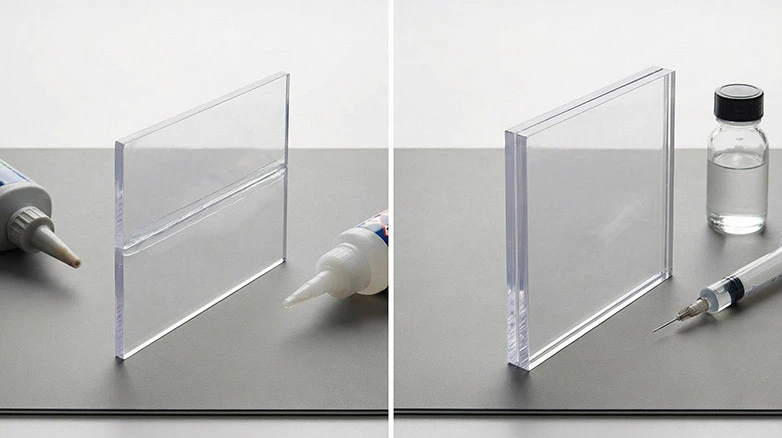
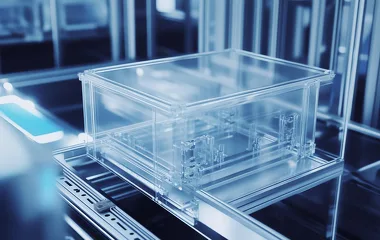
SRT Plastics provides high-strength joining solutions for thermoplastics, utilizing both structural bonding and chemical welding (solvent welding). While bonding uses specialized adhesives to fill gaps and join dissimilar materials, chemical welding works by softening the mating surfaces to fuse them into a single, seamless component. We apply these techniques to materials like Polycarbonate, PMMA, and PETG to create optically clear displays, watertight enclosures, and durable industrial parts without the need for mechanical fasteners.

.

Our Bonding Capabilities

  • Clean and Precise Finishing

    Clean and Precise Finishing

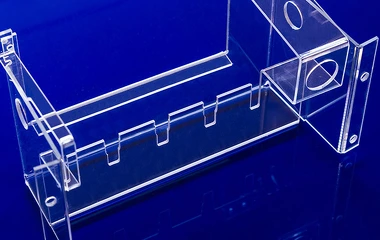
    Bonding avoids screws or rivets, ensuring smooth and seamless results.

    Bonding enables invisible connections, producing sleek components without drill holes or fasteners. The method improves aesthetics and allows designers to create clear covers, transparent housings, and panels that combine visual quality with functional strength.
  • Strong Joints with Adhesives

    Strong Joints with Adhesives

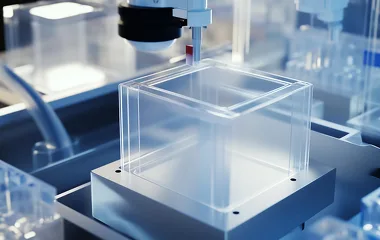
    Adhesives tailored to PC, PETG, and PMMA ensure durable connections.

    By using adhesives designed for specific thermoplastics, bonded parts achieve strong, lasting joints. Whether for protective guards, housings, or assembled panels, this method combines durability with lightweight design, suitable for industrial and technical applications.

  • Cost-Effective and Flexible

    Cost-Effective and Flexible

    Bonding offers efficiency for both prototypes and medium production runs.

    With minimal tooling and quick application, bonding is ideal for prototypes and small to medium series. It offers flexibility for varied designs while keeping production costs under control, providing a practical solution across multiple industries.

Choosing the Right Method: Bonding vs. Chemical Welding

Choosing the Right Method: Bonding vs. Chemical Welding

Understanding the distinction between structural bonding and chemical welding is essential for achieving the best result for your specific application. While structural bonding uses an external adhesive to bridge gaps and create a joint, chemical welding utilizes a solvent to soften the actual surfaces, allowing them to fuse together at a molecular level. Here is how they compare:

  • Structural Bonding: Best for high-strength joints where gap filling is required or when joining different types of plastics (e.g., PC to ABS).

  • Chemical Welding: Best for creating a "monolithic" part. The solvent melts the plastic surfaces together, resulting in an invisible, fused joint ideal for transparent medical or display applications.

Plastic Bonding FAQ