Ball Pressure Test IEC 60695-10-2: Heat Resistance for Electrical Plastic Components

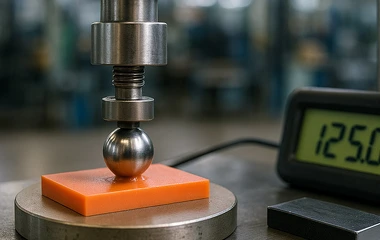
At SRT Plastics, we specialize in the fabrication of high-performance components that meet the Ball Pressure Test (IEC 60695-10-2) requirements for electrical equipment. This testing method is essential for verifying the dimensional stability and heat resistance of insulating materials that support live parts. By assessing the degree of indentation under a defined load and temperature—typically 125°C for parts supporting current-carrying conductors—the test ensures the material will not soften or deform during service. We utilize advanced materials like HPL, Polycarbonate (PC), and Flame Retardant (FR) blends, providing precise CNC machining to ensure your finished parts maintain their structural integrity under thermal stress. Every component is supplied with a Certificate of Conformity to support your safety audit and certification process.

Technical Engineering for Heat Resistance & Deformation Control

Maintaining structural stiffness at elevated temperatures is a primary safety requirement for electrical panels and terminal housings. The Ball Pressure Test provides the definitive proof that a material can withstand localized heating without failing. Explore our guide on how thickness, local stiffness, and material choice influence your project’s ability to meet the 125°C benchmark.
  • What Ball Pressure Checks

    What Ball Pressure Checks

    Heat Resistance Under Load

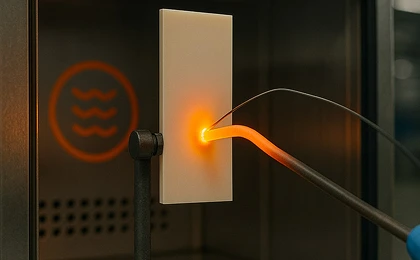
    The method places a steel ball on the material at a set temperature and load and then measures the indentation. The result indicates whether the part can resist deformation under heat in service. The required temperature and acceptance criteria come from the relevant product standard. Share your target and we will advise suitable materials and thicknesses.

  • Design Choices That Help Parts Pass

    Design Choices That Help Parts Pass

    Thickness Support And Local Stiffness

    Heat softening is influenced by thickness local ribs and support around fixings. Increasing stiffness and avoiding stress raisers near hot spots can improve outcomes. We can review drawings and suggest local design tweaks that help meet the specified requirement while keeping weight and cost efficient.

  • Materials And Documentation

    Materials And Documentation

    Match Grade To The Required Temperature

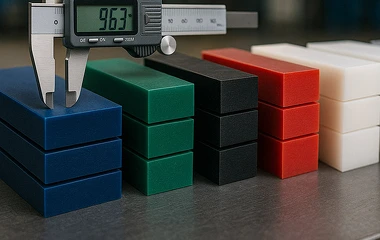
    HPL plates and engineering plastics such as PC and certain FR ABS or PC ABS grades are common in panels. Performance depends on grade and thickness. We cut to size machine and finish to drawing and ship with a Certificate of Conformity. Supplier data can be provided where available for the selected material.

Ball Pressure Test FAQ (IEC 60695-10-2)