Glow Wire Testing (GWFI & GWIT): Fire Safety Standards for Electrical Plastic Components

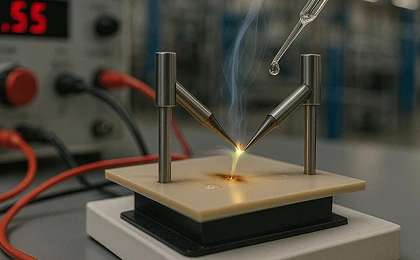
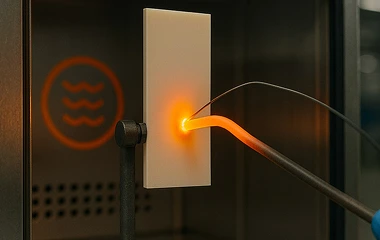
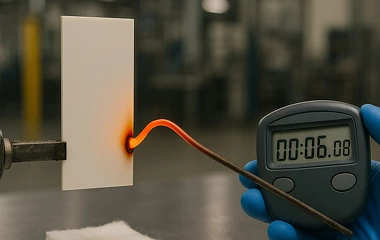
At SRT Plastics, we provide the technical expertise and high-performance materials necessary to meet the rigorous Glow Wire testing requirements for critical electrical assemblies. Glow Wire tests, specifically the Glow Wire Flammability Index (GWFI) and Glow Wire Ignition Temperature (GWIT) defined in IEC 60695-2, simulate the thermal stress caused by overheated elements or faulty electrical contacts. These indices are essential safety benchmarks for terminal covers, mounting plates, and insulating housings located near live parts. Because Glow Wire performance is intrinsically linked to material grade and thickness, we offer specialized CNC machining and expert material selection to ensure your components comply with international safety mandates. Every part is supplied with a Certificate of Conformity, supporting your final product certification.

Technical Specifications for GWFI & GWIT Compliance

Achieving the correct Glow Wire index is vital for preventing fire propagation in electrical systems. Whether your design requires a material that self-extinguishes upon contact or one that resists ignition at extreme temperatures, selecting the correct wall thickness is the primary design variable. Explore our guide to understanding indices and material choices for insulating electrical parts.
  • GWFI And GWIT Explained

    GWFI And GWIT Explained

    Indices For Flammability And Ignition

    GWFI indicates whether a material self extinguishes and limits burning when touched by a heated wire under defined conditions. GWIT indicates the temperature at which ignition is not likely under similar contact. The required values depend on the product standard and location of the part. Share your target indices and part thickness so we can suggest suitable grades.
  • Where Glow Wire Is Used

    Where Glow Wire Is Used

    Panels Terminals And Insulating Parts

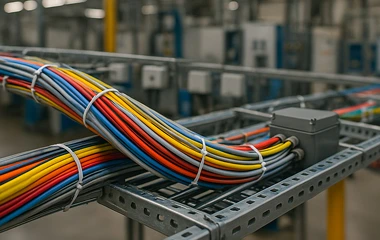
    Glow Wire requirements commonly apply to parts that may contact hot conductors or resistive elements. Examples include terminal covers mounting plates and housings near live parts. Results are grade and thickness specific so always pair a target value with the planned wall thickness.

    We can help select materials and verify available supplier data for your design.

  • Selecting Materials And Documenting Results

    Selecting Materials And Documenting Results

    Match Grades To Targets And Thickness

    Material choice and thickness drive outcomes. FR ABS PC ABS and filled grades are often used in electrical panels. Polycarbonate and HPL plates are common for structural parts near electrics. We cut to size machine and finish parts to drawing and include a Certificate of Conformity. Supplier glow wire data can be shared where available for the chosen material.

Glow Wire (IEC 60695-2) FAQ