Vacuum Forming Services (Industrial Thermoforming)

SRT Plastics provides specialized vacuum forming and thermoforming solutions for the European market. As the most cost-effective thermoforming process, vacuum forming transforms flat thermoplastic sheets into durable, lightweight 3D components like housings, trays, and covers. We process high-performance materials including ABS, Polycarbonate, and PETG to meet strict industrial requirements. From rapid prototyping to medium-volume production series, our capabilities offer the perfect balance between design flexibility and tooling efficiency.

.

Vacuum Forming Applications & Benefits

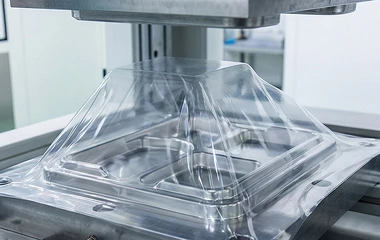
  • Forming Plastics into 3D Shapes

    Forming Plastics into 3D Shapes

    Transform flat plastic sheets into durable, lightweight and functional parts.

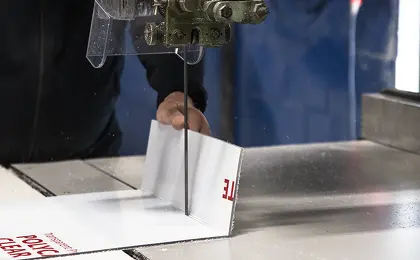
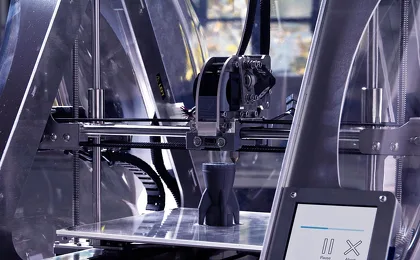
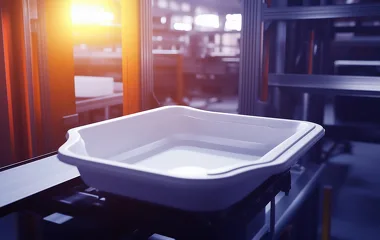
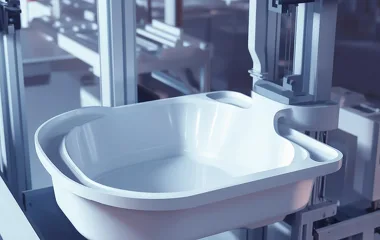
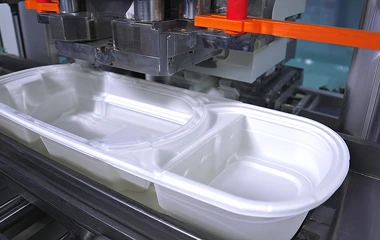
    Vacuum forming changes flat sheets into three-dimensional shapes by heating and shaping over a mold. This process is ideal for lightweight panels, protective covers, and casings. It combines design freedom with efficiency, making it suitable for both prototype work and industrial production.
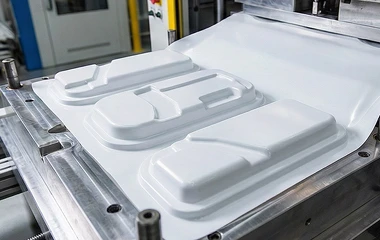
  • Materials for Vacuum Forming Use

    Materials for Vacuum Forming Use

    ABS, PMMA, PC and PETG processed into strong and versatile components.

    We work with a wide range of thermoplastics that perform well in vacuum forming. ABS provides durability, PMMA offers transparency, PC ensures impact resistance, and PETG gives clarity and flexibility. Each material can be selected to match design needs and industry application requirements.

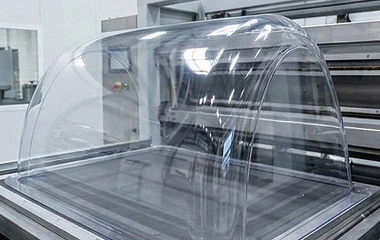
  • Efficient Production for Industries

    Efficient Production for Industries

    A cost-effective method for prototypes, small runs and functional series.

    Vacuum forming supports flexible and efficient production across industries such as construction, transport, lighting and life sciences. It is well suited for prototypes, small series or medium runs where cost savings, reduced tooling time and adaptable design are important for product development.

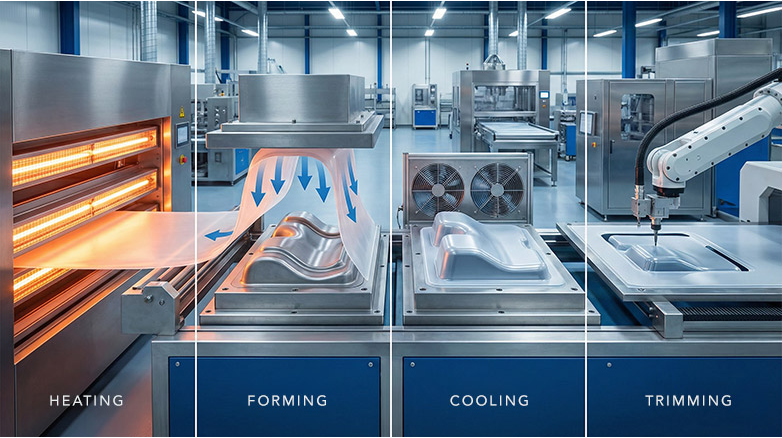
The Vacuum Forming Process Explained

The Vacuum Forming Process Explained

  1. Clamping & Heating The thermoplastic sheet is clamped into the frame and heated by ceramic elements until it becomes soft and malleable.
  2. Vacuum Application The mold engages with the hot sheet and a vacuum is applied, sucking out air and forcing the plastic tightly against the mold's contours.
  3. Cooling & Release Fans rapidly cool the plastic to set its shape. Once hardened, air pressure is reversed to eject the part cleanly from the tool.
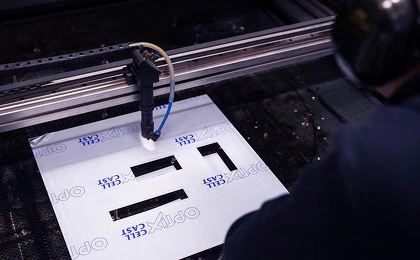
  4. The formed part is removed and transferred to our 5-axis CNC machines for precise trimming of excess material and final detailing.

Common Thermoforming Materials

Selecting the right thermoplastic is critical to the performance and cost-efficiency of a vacuum formed part. Factors such as impact resistance, operating temperature, optical clarity, and chemical resistance dictate the final choice. While we process a wide range of thermoplastics, these three materials form the core of most industrial thermoforming applications.
  • ABS (Industrial Standard)

    Best For: Machine Housings, Covers & Trays

    Why: The industrial workhorse. Extremely tough, highly impact-resistant, and economically priced. It is available with textured surfaces to hide scratches and is easy to paint or glue after forming.

  • Polycarbonate (High Performance)

    Best For: Heavy-Duty Guards & Safety Shields

    Why: Virtually unbreakable with extremely high impact strength. Polycarbonate (often known by trade names such as Lexan®) offers superior heat resistance and is ideal for transparent protective covers in demanding environments.

  • PETG (Clarity & Versatility)

    Best For: Medical, Food & Packaging

    Why: Known for excellent clarity and ease of forming. PETG is FDA-compliant, chemically resistant, and tougher than acrylic, making it perfect for sterile trays, point-of-sale displays, and complex transparent parts.

Vacuum Forming FAQ