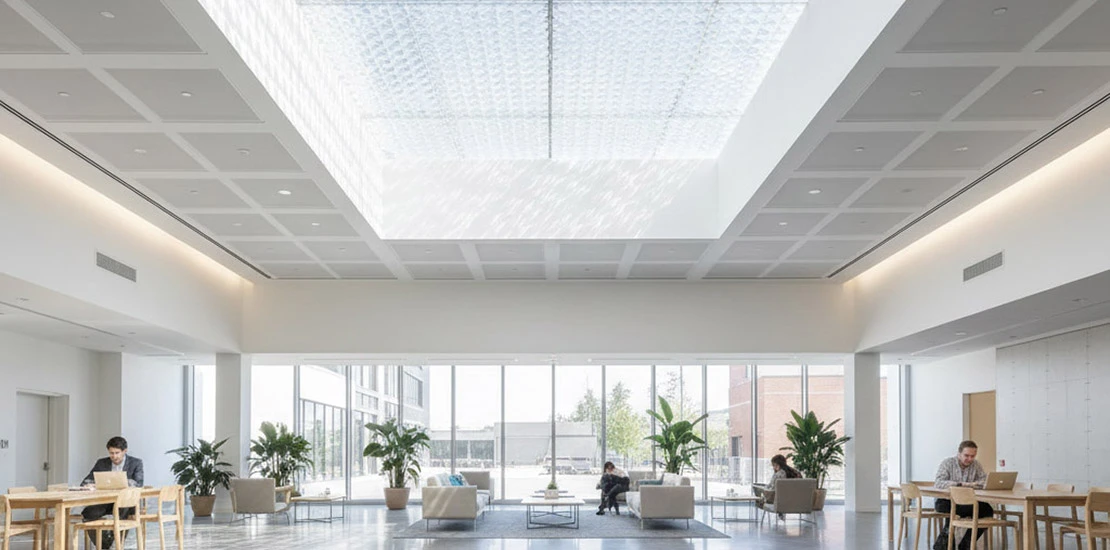
In modern lighting design, the material chosen to cover the LED source is just as critical as the LED itself, because selecting the wrong diffuser can lead to glare, hotspots, or failed safety inspections.
Whether you are designing an EN 12464 compliant office or a high-impact retail display, the difference between success and failure often lies in understanding the technical properties of the plastic. At SRT Plastics, we stock a complete range of technical acrylic diffusers, and this guide is designed to help you choose between Opal, Ice, Frosted, and Microprism sheets based on your specific project requirements.
Offices and Workspaces: The Anti-Glare Standard
For workspaces such as offices, schools, and hospitals, compliance with European Standard EN 12464 is the primary concern. This standard dictates the maximum glare allowed to prevent eye strain for computer users, often requiring a Unified Glare Rating (UGR) of below 19. Standard white diffusers often fail this test because they scatter light in all directions, creating a fuzzy glare. The solution is our SRT Microprism Acrylic, which features a precision-engineered pattern of microscopic pyramids that cut off high-angle light rays and direct light downwards onto the desk, achieving UGR compliance while maintaining high light transmission.
Signage and Branding: Hiding Power vs. Brightness
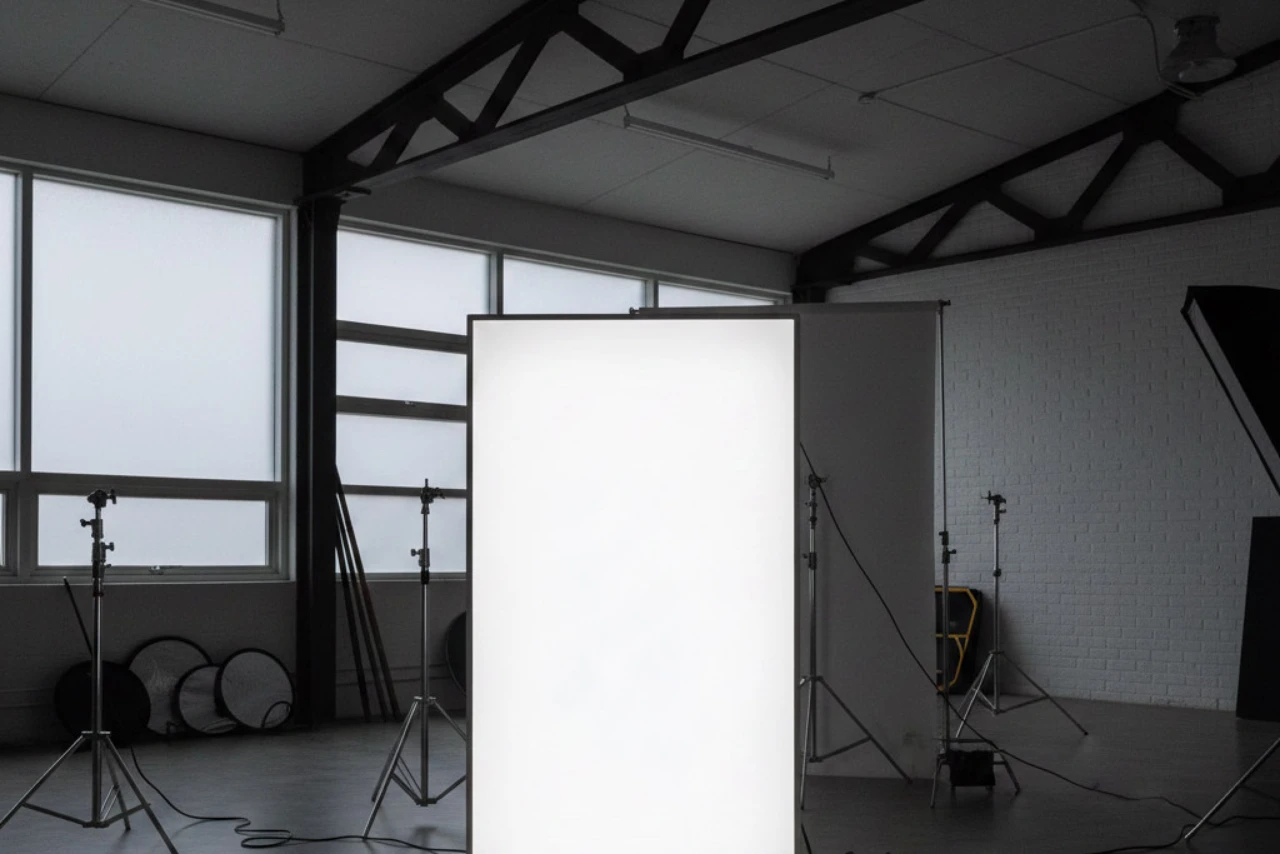
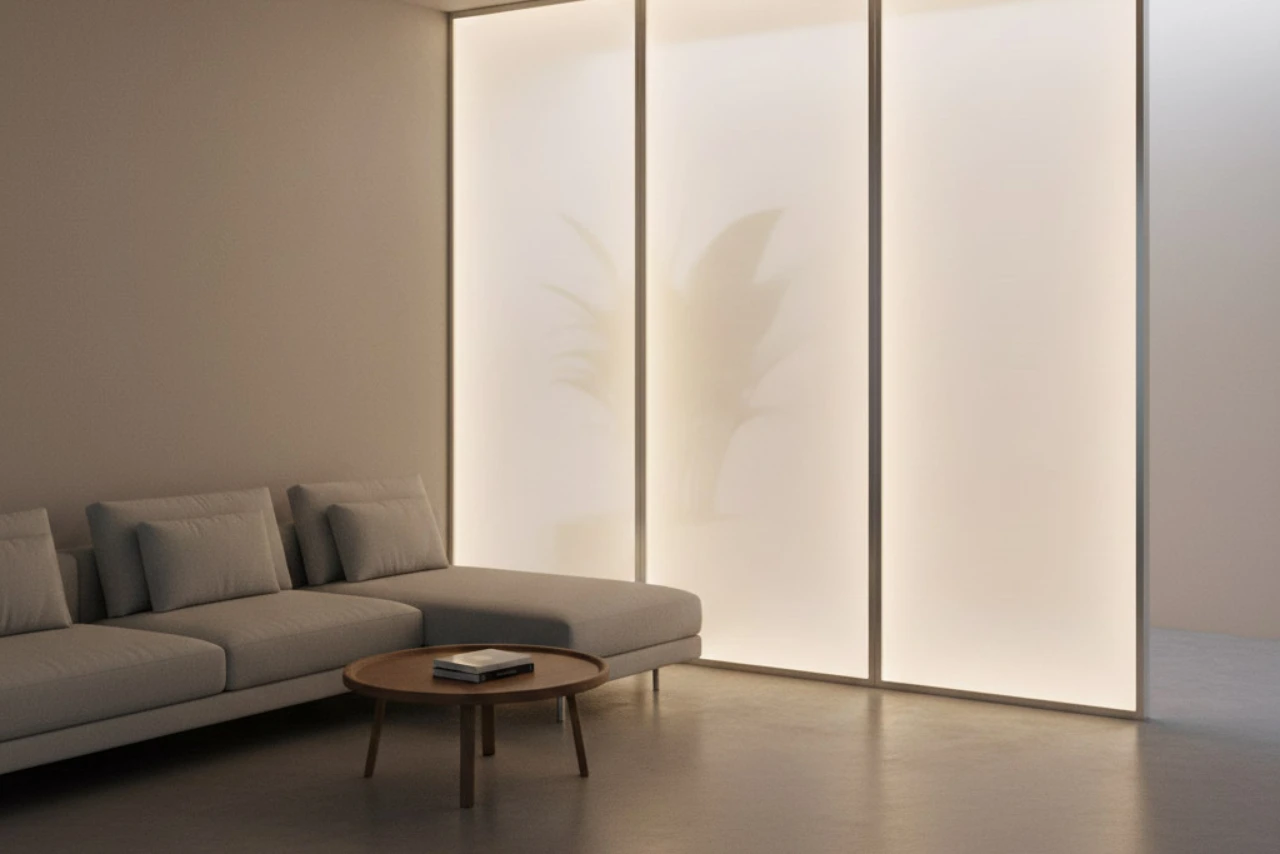
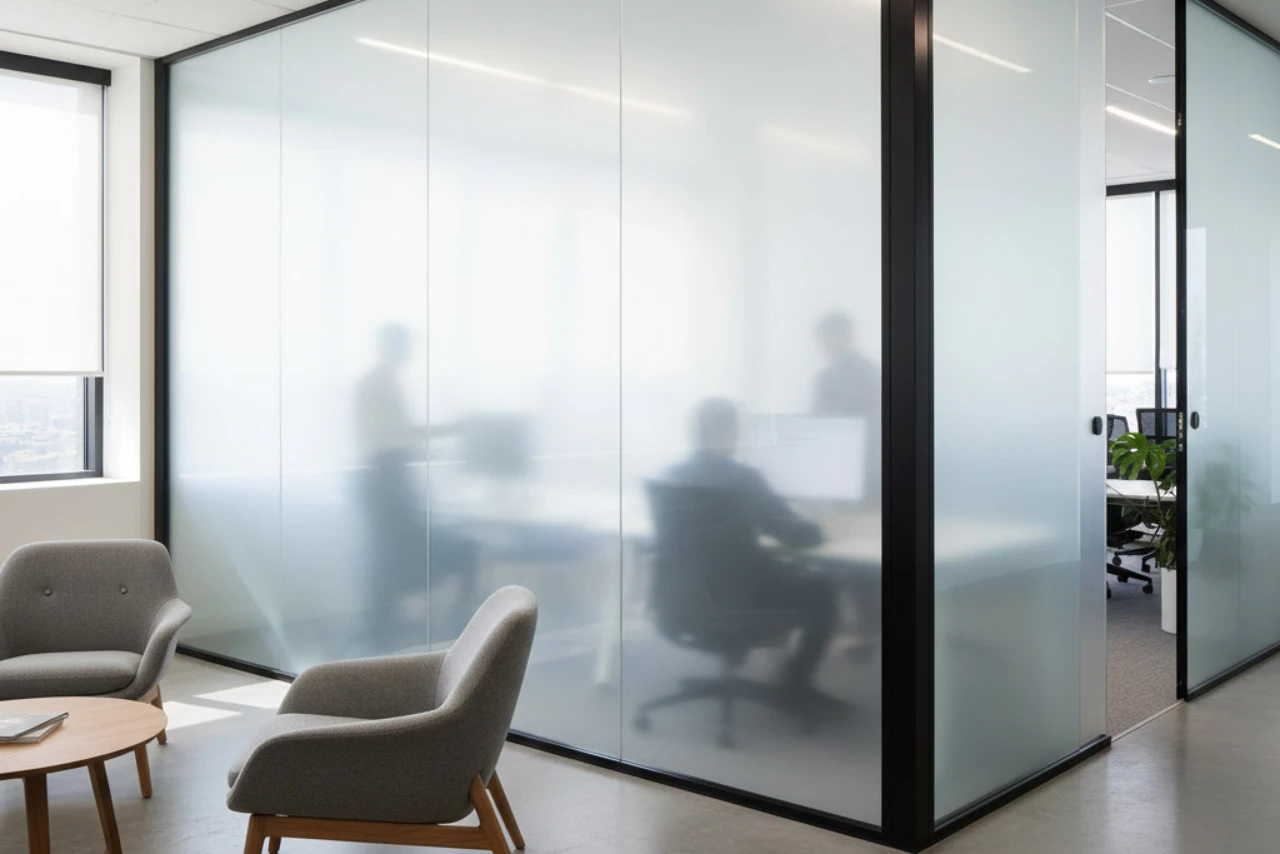
For signage and branding applications, the priority shifts to balancing hiding power with brightness. When building illuminated channel letters, our SRT Opal Acrylic (Ref 385) is the industry standard; its lower light transmission of 34 percent provides maximum diffusion to turn individual LED dots into a solid, glowing block of light. Conversely, for shallow lightboxes where energy efficiency is key, SRT LED Ice (Ref 519) is the superior choice, allowing 72 percent of light through while still blurring hotspots. For general applications like skylights or garages, SRT Prismatic offers a robust diamond pattern, whereas SRT Frost provides a satin finish ideal for privacy partitions and architectural features where fingerprint resistance is required.
Safety and Compliance
Beyond optical performance, safety compliance remains non-negotiable for commercial buildings. All our acrylic lighting sheets are tested to EN 13501-1 standards, generally achieving a Class E rating suitable for most standard applications, though we recommend our Polycarbonate Bs1d0 range for high-risk environments like airports. To ensure you have the correct specifications for your next tender, you can download our full Certification and Standards Datasheet directly from our website or contact our technical team for cut-to-size quotes and samples.